
Training the Weapons Wielder: Part Two – Comportment
By - Hunter “Chip” Armstong

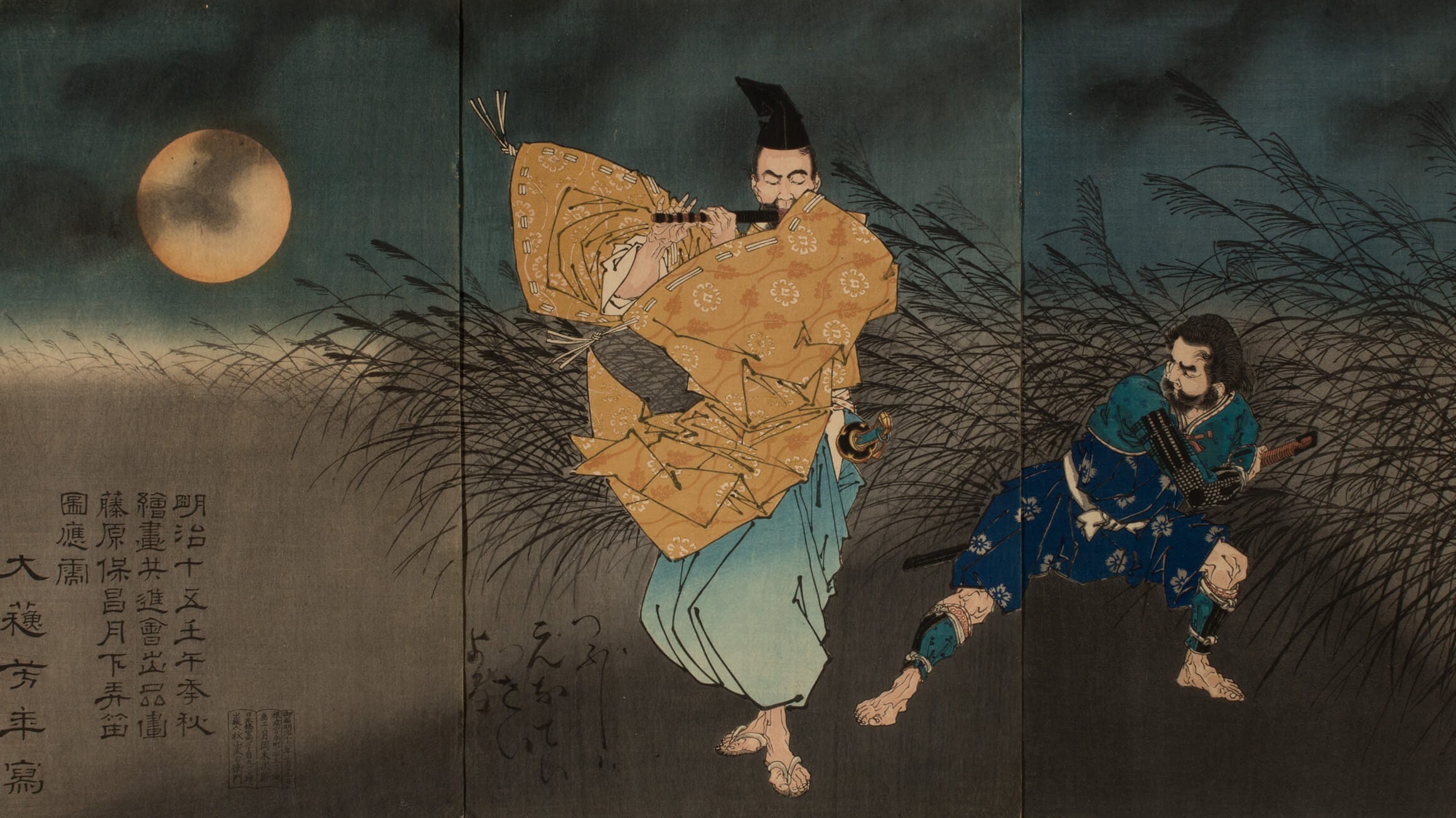
The single biggest difference between the professional weapons wielder and the part-timer is the ultimate goal of their training. Hoplologist Donn Draeger pointed out a key distinction between bujutsu (classical military/martial arts) and the more modern budo (civilian “martial” ways), the classical warrior arts were designed for group protection and combat results, not individual self-perfection.
The professional does not develop capabilities for individualistic or ego-driven ends. While the media likes the image of the solo, lone warrior, ultimately the individual warrior is only as strong as the warrior group within which he was raised. His martial capability and ethos is literally rooted in the martial society in which he was raised. It is not the individual whose martial attributes we admire, but the martial attributes of the society which formed him.
Historically, the warrior’s duty has been and is aimed at something greater than himself: protection of his family, his clan, his society. We see this over and over again in a range of the world’s historical warrior societies, from the Norse-Gaelic Gallowglas of Scotland and Ireland, to the Kashtriya (Rajanya) of India, from the Bootur (Боотур) of the Yakutian people to the Katipunan of the Philippines, from the Zulu to the Sioux “Dog Soldier” (Toka’la).
